How to Stop Dog Pulling on Leash Instantly
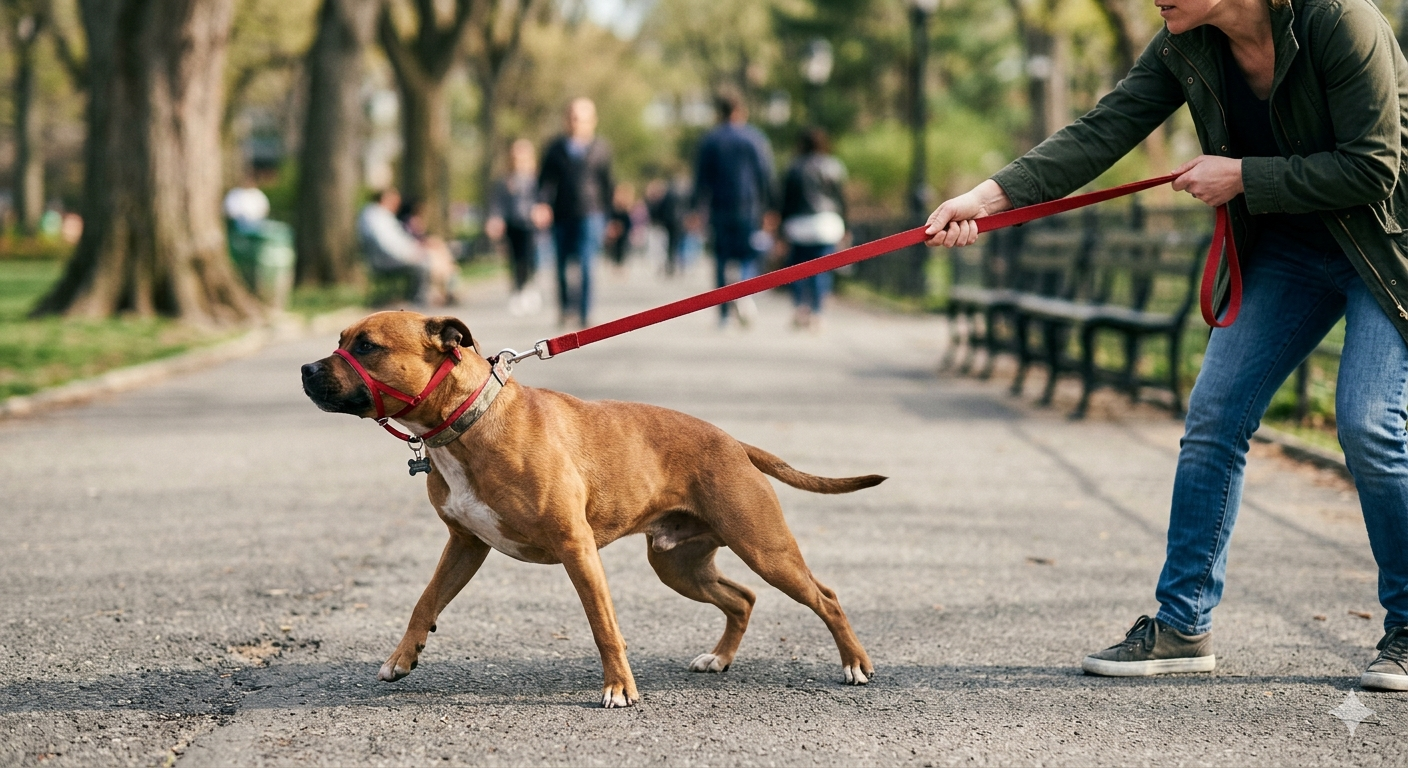
Walking your dog should be the most relaxing part of your day, a time for bonding and fresh air. However, for many owners, it feels more like a high-stakes tug-of-war. If your arm is sore and your dog is constantly choking themselves at the end of the line, you are likely searching for a dog pulling on leash fix that actually works.
While “instant” results in dog training usually refer to an immediate shift in communication rather than a magic wand, you can change the dynamic of your walks in a single session by using the right techniques. Stopping the pulling isn’t about physical strength; it is about teaching your dog that a tight leash is a “stop” sign and a loose leash is a “go” signal.
Why Dogs Pull (It’s Not What You Think)
To implement a dog pulling on leash fix, you first have to understand the “Opposition Reflex.” This is a natural physical response in dogs: when they feel pressure pulling them back, their instinct is to lean and pull forward even harder.
Furthermore, dogs naturally walk about twice as fast as humans. To them, our strolling pace is agonizingly slow. They pull because they want to get to that interesting bush, greet that other dog, or simply move at their natural speed. If you follow them while they pull, you are accidentally rewarding the behavior by giving them exactly what they want: forward motion.
The Essential Gear for Control
Before you step outside, ensure you aren’t fighting a losing battle with the wrong equipment.
- Front-Clip Harness: Unlike a back-clip harness (which actually encourages pulling, like a sled dog), a front-clip harness steers the dog back toward you when they pull.
- Fixed-Length Leash: Avoid retractable leashes. They provide constant tension, which teaches the dog that pulling is the only way to move. Use a standard 4-to-6-foot nylon or leather lead.
- High-Value Treats: To dog pulling on leash fix effectively, you need a reward that is more exciting than the squirrel across the street.
The “Stop-and-Go” Method: Your Instant Fix
This is the most effective way to change a dog’s behavior immediately. It requires zero physical force, only 100% consistency.
Step 1: The Red Light
The moment the leash becomes taut, stop walking. Do not jerk the leash, do not yell, and do not move a single inch forward. You have become a statue.
Step 2: The Wait
Wait for the dog to realize the forward motion has stopped. Usually, they will look back at you or step back toward you to see why you aren’t moving. The second the leash goes slack—even by an inch—mark the behavior with a “Yes!” or a clicker.
Step 3: The Green Light
Immediately start walking again as the reward for the loose leash. If they pull again two steps later, stop again. In the beginning, you might only move ten feet in ten minutes, but you are teaching the dog the most important lesson of their life: Tension = Stop; Slack = Go.
Advanced Techniques for Faster Results
If the stop-and-go method isn’t enough, incorporate these two strategies to keep your dog’s brain engaged:
1. The Penalty Turn
If your dog is highly focused on something ahead and the “stop” isn’t working, try a 180-degree turn. The moment the leash gets tight, say “This way!” and walk in the opposite direction. This forces the dog to pay attention to you because they never know which way you might turn next. It turns the walk into a game of “follow the leader.”
2. The “Choose Me” Game
While walking on a loose leash, randomly call your dog’s name. When they look at you, give them a high-value treat while continuing to move. This reinforces the idea that staying near you and checking in is highly profitable.
Common Pitfalls in Leash Training
Many owners struggle with a dog pulling on leash fix because they fall into these common traps:
| Mistake | Why it Fails |
| Jerking the Leash | This can cause neck injuries and triggers the opposition reflex. |
| The “Inconsistent” Walk | Letting them pull “just this once” because you’re in a hurry ruins days of progress. |
| Long Leashes | Giving a dog 10 feet of line makes it impossible to communicate through the leash. |
| Lack of Exercise | A dog with “zoomies” cannot focus. Play fetch for 10 minutes before the walk. |
Managing Distractions
A dog might walk perfectly in your hallway but lose their mind when they see a cat. To dog pulling on leash fix in high-distraction areas, you must increase the “reward frequency.”
In a high-distraction environment:
- Feed a treat every 3 steps as long as the leash is loose.
- Gradually increase to every 5 steps, then 10.
- If they react to a distraction, increase the distance between you and the object until they can focus again.
Summary Checklist for Your Next Walk
- Equipment Check: Is the harness on the front clip? Do I have the “good” treats?
- Patience Check: Am I prepared to stop 50 times if necessary?
- Focus Check: Am I looking at my dog, or am I on my phone?
- Reward Check: Am I praising the slack, or just ignoring the dog when they do it right?
Conclusion
You can find a permanent dog pulling on leash fix by simply refusing to move when the leash is tight. It sounds simple, but it is the hardest thing for owners to master because it requires patience. By using the stop-and-go method, rewarding eye contact, and using the right harness, you will notice an “instant” shift in how your dog perceives the walk. They will stop seeing the leash as a tether to fight and start seeing it as a connection to you. Happy walking!