How to Train a Stubborn Dog at Home
Training a dog is often portrayed as a linear journey of simple commands and wagging tails. However, many owners quickly realize that their canine companion has a mind of its own. If you find yourself frustrated because your pet seems to intentionally ignore your requests or walks away when you pull out a leash, you are likely dealing with what is commonly called a “stubborn” dog. To train stubborn dog personalities successfully, you must shift your perspective from being a “boss” to being a “motivator.”
The truth is, most dogs are not truly stubborn; they are simply unmotivated or confused by the current training methods. By understanding how your dog thinks and adjusting your home environment, you can turn a difficult pet into a willing partner.
Redefining “Stubbornness” in Dogs
Before you can effectively train stubborn dog breeds or individuals, you must understand what is actually happening in their minds. What looks like defiance is usually one of three things:
- Low Motivation: The reward you are offering (kibble or a pat) is not as valuable as the distraction they are pursuing.
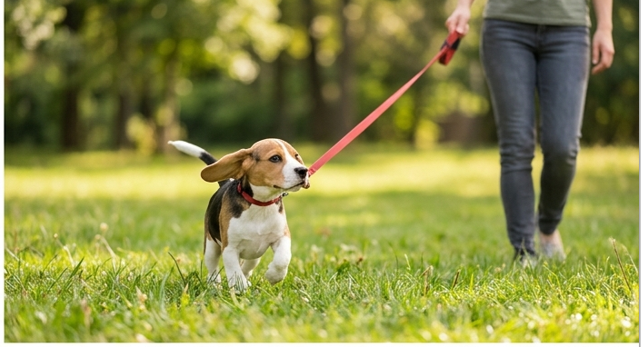
- Breed Traits: Some breeds, like Beagles or Huskies, were bred for independent work. They are hardwired to follow their nose or their instincts rather than waiting for human instruction.
- Stress or Overwhelm: A dog that is shut down or anxious may appear “stubborn” when they are actually too stressed to process information.
The Golden Rules of Training at Home
Training a difficult dog requires a structured approach. If you are working from home, you have the advantage of a controlled environment, which is the perfect place to start.
1. Keep Sessions Short and Frequent
A stubborn dog often has a low threshold for boredom. Instead of one grueling 30-minute session, aim for five or six 2-minute sessions throughout the day. This keeps the dog’s interest high and prevents them from “tuning out.”
2. The “High-Value” Hierarchy
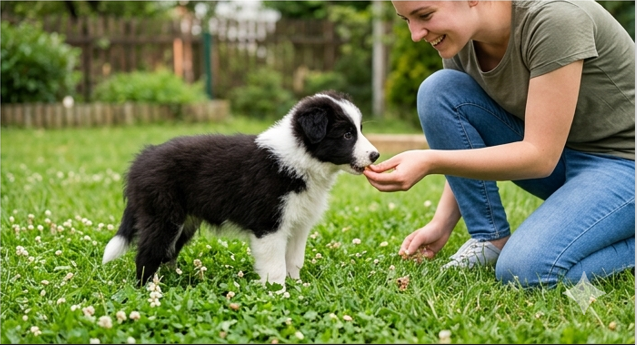
If you want to train stubborn dog behaviors out of your pet, you cannot use average rewards. You need to find their “Power Reward.” For some, it is a specific type of moist treat (like freeze-dried liver); for others, it is a favorite tug toy. Save this specific reward only for training sessions to maintain its value.
3. Control the Environment
Eliminate distractions before you start. If you are training in the living room, turn off the TV and ensure other family members are not moving around. A stubborn dog will take any excuse to break focus.
Strategies to Overcome Resistance
| Challenge | Strategy |
| Refusal to move | Use “luring” with a treat directly in front of the nose to guide them. |
| Walking away | Keep the dog on a light indoor leash during training to maintain proximity. |
| Lack of interest | Increase your own energy; be more exciting than the floor they are sniffing. |
| Ignoring commands | Go back to a simpler version of the command they already know to build confidence. |
Step-by-Step Training Protocol
To see real progress when you train stubborn dog pets at home, follow this logical progression:
Phase 1: Capturing Attention
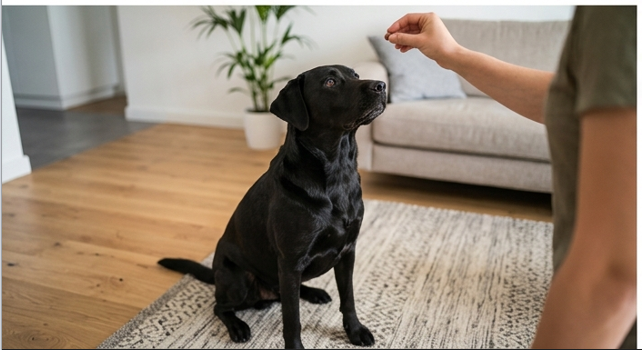
Before teaching a “Sit” or “Stay,” you must teach the “Look at Me” command. Reward your dog every time they make eye contact. This builds the foundation of engagement. If they won’t look at you, they won’t listen to you.
Phase 2: The “Nothing in Life is Free” Rule
Implement a system where the dog must “earn” everything. Want dinner? Sit first. Want to go outside? Wait by the door. This subtly shifts the power dynamic, teaching the dog that you are the provider of all good things, and listening to you is the only way to access them.
Phase 3: Positive Reinforcement Only
Avoid the urge to push, pull, or yell. Physical force often causes a stubborn dog to “brace” or dig their heels in further. Instead, wait for the desired behavior and reward it instantly. This makes the dog a problem-solver who wants to figure out how to get that treat from you.
Common Pitfalls to Avoid
When you train stubborn dog personalities, your own behavior is just as important as the dog’s. Avoid these common mistakes:
- Losing Your Temper: If you get angry, the dog associates training with fear, not fun. If you feel frustrated, end the session on a positive note and try again later.
- Being Predictable: Stubborn dogs are often smart. If you always do the same routine, they will get bored. Mix up the order of commands and the types of rewards.
- Skipping the Basics: Don’t try to teach “Stay” in a park if they can’t even “Sit” in the kitchen. Mastery of the basics is non-negotiable.
Managing Breed-Specific “Stubbornness”
It is important to acknowledge that some dogs are genetically predisposed to independence.
- Hounds: Their “stubbornness” is usually just a high scent drive. Incorporate “scent games” as a reward for good behavior.
- Terriers: These dogs are high-energy and easily bored. Keep training fast-paced and physical.
- Working Breeds: They need a job. If they are acting out, they likely have too much pent-up mental energy.
Summary Checklist for Success
- Motivation: Is the treat better than the distraction?
- Consistency: Are you using the same words and hand signals every time?
- Timing: Are you rewarding within 1.5 seconds of the correct action?
- Patience: Are you prepared for “one step forward, two steps back”?
Conclusion
To train stubborn dog companions at home, you must be more patient than they are persistent. There is no such thing as an “untrainable” dog, only dogs that haven’t been properly motivated yet. By focusing on high-value rewards, keeping sessions brief, and maintaining a positive attitude, you will find that your stubborn dog isn’t trying to be difficult—they are simply waiting for you to make training worth their while. With time and consistency, that legendary stubbornness will transform into a deep, focused loyalty.